What Does New Zealand Export to India? A Guide for NZ Exporters
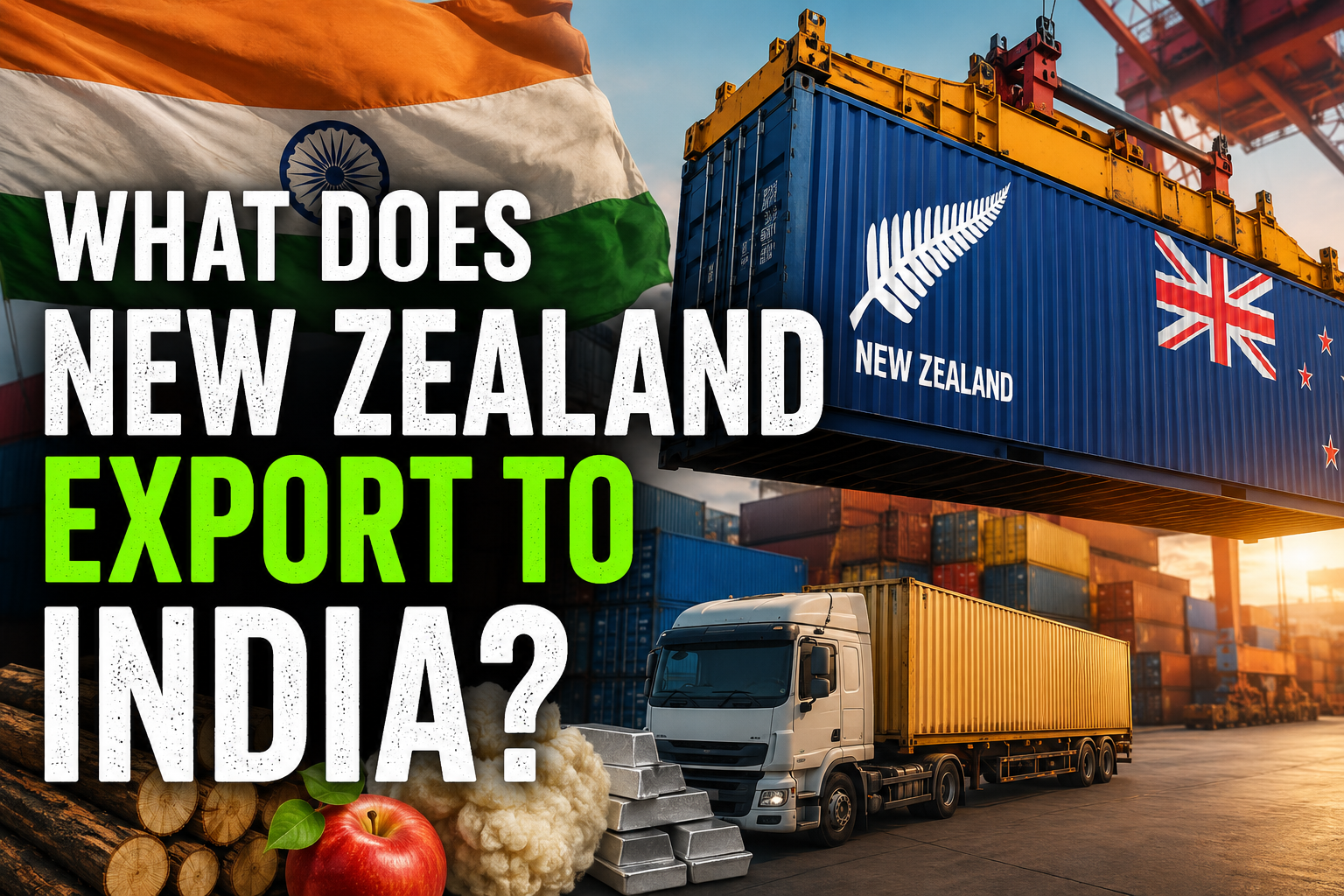
India is now one of the world's fastest-growing major economies, with a population of more than 1.4 billion people. I know, crazy right, when we only have roughly 5.5 million!
As demand for premium food, timber and specialist products continues to grow, many New Zealand businesses are exploring opportunities to export there.
The Free Trade Agreement between NZ and India that was recently put in place has opened the doors for cheaper trade and this gives huge new opportunity for many New Zealand businesses.
But while exporting can unlock huge growth, it often creates one of the biggest cash flow challenges businesses face waiting months to be paid.
What New Zealand Exports to India
Generally we pride ourselves in exporting:
Logs and timber
Dairy products
Wool
Apples and kiwifruit
Meat
Seafood
Aluminium
Machinery
These industries represent hundreds of millions of dollars in annual exports and continue to grow as India's economy expands.
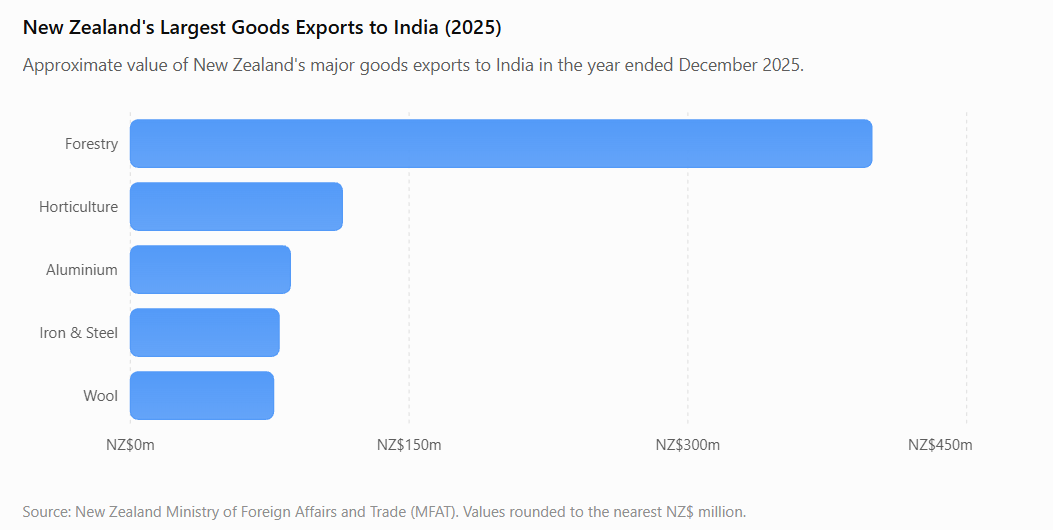
Why India Represents Such A Large Opportunity
India's population has now surpassed 1.4 billion people, and its middle class continues to grow rapidly.
As disposable incomes increase, so does demand for:
Premium food products
High-quality timber
Wool for textiles
Manufacturing materials
Agricultural products
For many New Zealand exporters, India has become a long-term growth market rather than simply another export destination.
The Part Most Articles Don't Talk About
It sounds so amazing right and don’t get me wrong, there is huge oppurtunity there for you as a business owner. But where my conversations with exporters usually change is that most businesses spend months securing the customer, negotiating contracts, organising production, arranging freight, managing customs documentation.
And finally, the shipment leaves New Zealand. Then they remember something, they might not actually receive payment for another 60, 90 or even 120 days when the product lands in India.
The next shipment often needs to be produced before the previous one has even been paid for and GST and staff wages are still due.
I've seen plenty of new and profitable exporters experience cash flow pressure simply because those new opportunities popped up so quickly and growth happened so fast that they were not prepared for the strain on their cashflow.
Being profitable and having available cash aren't always the same thing.
Why Banks Can Sometimes Be Cautious
One question I hear regularly is "If we've secured a large export contract, why won't the bank simply fund it?" Well that’s because banks have to assess risk carefully. They don’t just hand out money, they have strict financial performance indicators your business needs to hit before they can give you any money.
Some of the things they commonly consider include:
How long the business has been exporting
The financial strength of overseas customers
Payment terms
Country risk
Foreign exchange exposure
Whether the business has sufficient security
Customer concentration
If one overseas customer represents 70% of turnover, that naturally makes bank managers worried more than a diversified customer base. That doesn't necessarily mean funding isn't available it just simply means the funding solution may look different.
Where Invoice Finance Can Help
This is where I often see invoice finance complement traditional banking. Rather than waiting months for payment, eligible exporters may be able to unlock working capital against approved export invoices.
That funding can then be used to:
Purchase more inventory
Manufacture the next order
Pay suppliers earlier
Employ additional staff
Continue growing without waiting for overseas payments
For businesses tapping into a new market, holding a high concentration on 1 customer, average previous years financial performance or not very very long trading history Invoice Finance could be a better solution.
What We Typically Need To Assess An Export Finance Facility
Every business is different, but when I first speak with an exporter, I'm generally trying to understand:
Which countries you're exporting to
Who your customers are
Average invoice values
Payment terms
Shipping documentation
Trading history
Annual turnover
Existing banking facilities
It's less about ticking boxes and more about understanding how your cash flow moves through the business, who your customers are and whether the product you are delivering will be paid for.
Final Thoughts
India continues to present enormous opportunities for New Zealand exporters and it will only grow over the next 10 years. Whether you're shipping timber, wool, horticultural products or manufactured goods, exporting overseas often opens the door to significant growth.
But one lesson I've learned from working with exporters is that growth creates its own challenges. The businesses that scale successfully aren't always the ones with the biggest orders.
They're often the ones that understand their cash flow well enough to keep saying "yes" to the next opportunity.
If You Want to Talk It Through
If you want a quick idea of what this could look like for your business, I’m happy to run through it with you.
Or learn more: