Exporting To India From New Zealand: Understanding Your Finance Options
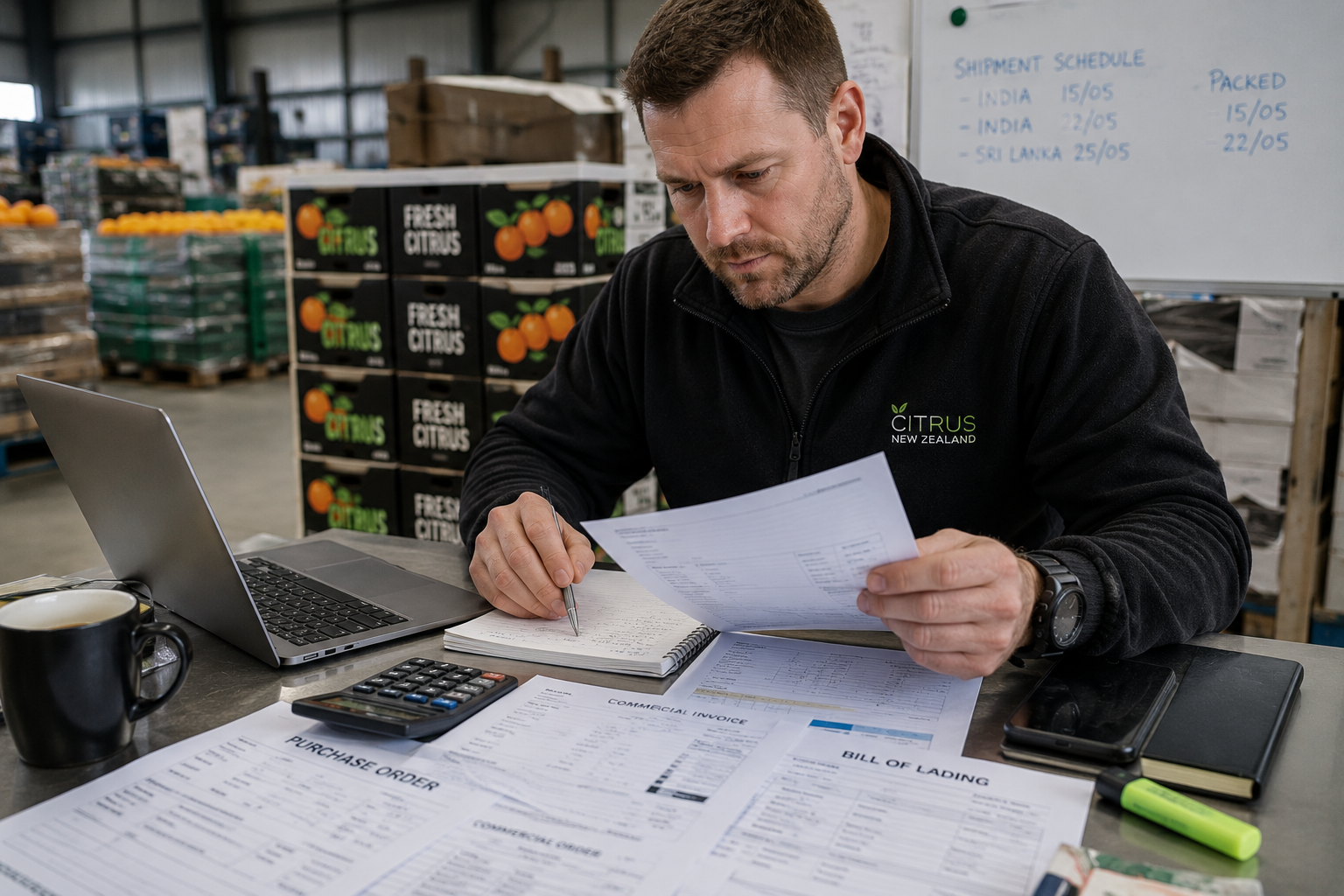
One of the biggest concerns I hear from businesses considering exports to India isn't whether they can sell their product. It's actually better to worry about whether you'll get paid when the product arrives.
India presents a significant opportunity for New Zealand exporters, particularly following the recent Free Trade Agreement discussions and growing trade relationships between the two countries.
However, many exporters still remain cautious and I hear this uncertainty daily. I've spoken with businesses that have had great experiences trading into India, while others have experienced delayed payments, disputes or challenges collecting funds.
The reality is that exporting successfully isn't just about finding a customer. It's about understanding who they are, their history, how you're going to manage that risk, how you’re going to manage those payment terms and what will happen if worst comes to worst they don’t pay or fall over.
Why Payment Terms Matter
A common challenge in international trade is that buyers and sellers often want opposite things. The exporter wants certainty of payment. The buyer wants certainty they'll receive the goods.
An exporter may want payment upfront before shipping from their country. The buyer may only want to pay once the goods arrive and have been inspected for quality and unit amount.
Finding a middle ground is often one of the most important parts of any export relationship. Fortunately, there are several tools available to help bridge that gap.
Letters Of Credit (LCs)
One of the most common solutions is a Letter of Credit (LC).
A Letter of Credit is issued by a bank and provides a payment guarantee to the exporter, provided all required shipping and trade documents are presented correctly.
The important thing to understand is that a Letter of Credit does not provide cash. It provides certainty. If the exporter meets the terms of the LC and all documentation is in order, the bank guarantees payment.
For exporters entering new markets or dealing with new customers, this can provide significant comfort. In many situations, an LC becomes the compromise between two parties.
The buyer doesn't need to pay upfront. The exporter doesn't need to rely solely on the buyer's promise to pay. The bank sits in the middle providing the guarantee. LCs can be challenging to get because you need to fit inside the banks appetite but if you’re a profitable business, have good revenue, security available then this might be an option.
Trade Credit Insurance
Another important tool is Trade Credit Insurance. Not just for international trade but for domestic also. Trade Credit Insurance protects the exporter (NZ Business) if a customer cannot pay due to insolvency, default or other covered events.
This is particularly important when trading internationally because collecting debts across borders can be significantly more difficult than collecting debts within New Zealand. We require all our customers exporting outside of Australia to get insurance because every country has different legal systems and it’s impossible to know how they all work.
Lots of exporters use Trade Credit Insurance to gain confidence when dealing with overseas customers and new trading relationships.
Invoice Finance
One of the biggest challenges exporters face is timing. The goods leave New Zealand, the customer receives the product, the customer pays weeks later. Meanwhile, the exporter needs cashflow to prepare the next shipment and purchase the next lot of material.
This is where Invoice Finance can help. Rather than waiting for payment, exporters may be able to access funding against of up to 80% when product is loaded onto the ship and the Bill of Lading is issued (shipment docs).
In many and almost all export funding structures, the Bill of Lading becomes a critical document because it confirms the goods have been shipped.
Funding can then help bridge the gap between shipment and payment. For growing exporters, this can free up working capital and help fund future orders without waiting for customers to pay.
Why Letters Of Credit And Invoice Finance Work Well Together
One misconception is that a Letter of Credit solves all cashflow problems.
It doesn't. An LC provides certainty of payment. It doesn't necessarily provide immediate access to cash. This is why Letters of Credit and Invoice Finance often work hand in hand.
The LC provides payment security. Invoice Finance helps accelerate access to working capital. Together, they can create a strong framework for managing both risk and cashflow.
Choosing The Right Structure
Every export transaction is different.
The right structure depends on:
The customer
The country
The payment terms
The size of the transaction
The trading history between both parties
For some businesses, a Letter of Credit will be appropriate. For others, Trade Credit Insurance may provide sufficient protection. For growing exporters, Invoice Finance can help support cashflow while waiting for overseas payments. The important thing is understanding the options available before committing to a transaction.
If You Want to Talk It Through
If you want a quick idea of what this could look like for your business, I’m happy to run through it with you.
Or learn more: